
Zaanse Schans
Six working windmills on a river bank twenty minutes from Amsterdam, and the remains of what was once the most heavily industrialised landscape in the world.
Lire le guide
Des guides écrits par ceux qui y conduisent. Ce qui vaut le détour, ce qui se fait à pied, et quelle excursion vous y emmène.
Six working windmills on a river bank twenty minutes from Amsterdam, and the remains of what was once the most heavily industrialised landscape in the world.
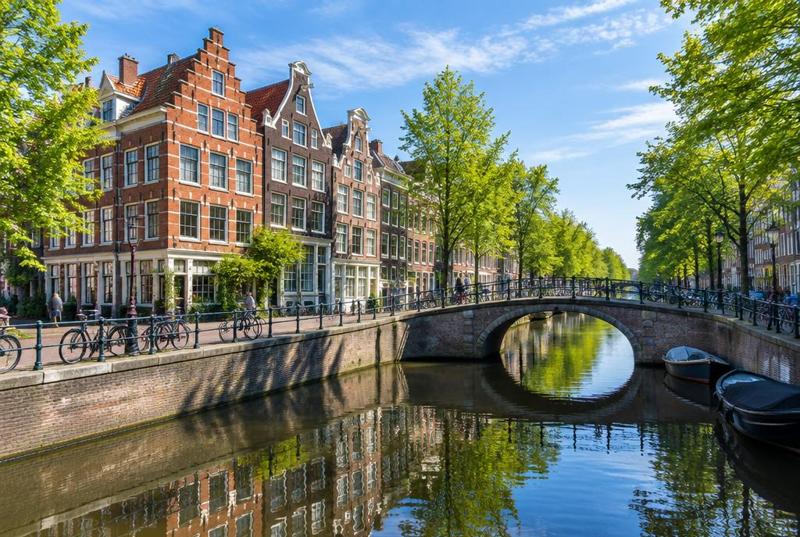
Amsterdam fits three of the world's great museums, a 17th-century canal ring and a working, lived-in old town into a centre you can cross on foot — and it has always done things its own way.
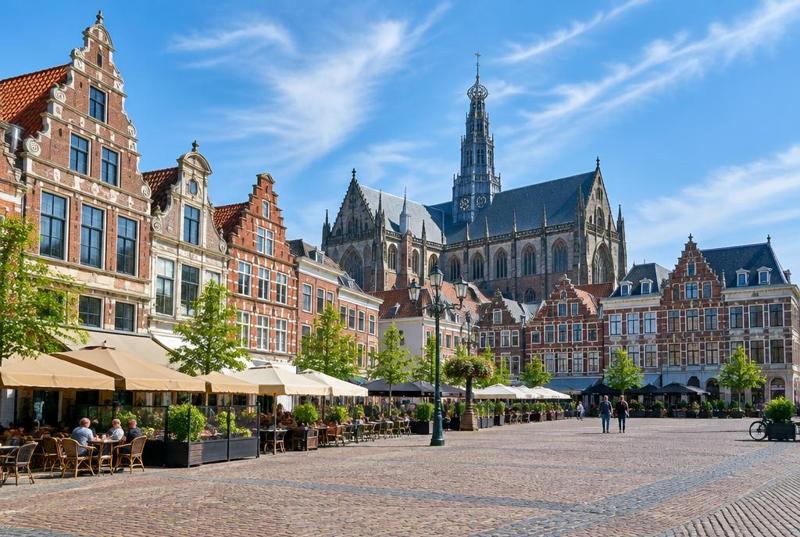
Haarlem has a medieval market square, the oldest museum in the Netherlands and the largest collection of Frans Hals in the world, all in a centre you can walk across. It is twenty minutes from Amsterdam and a good deal calmer.
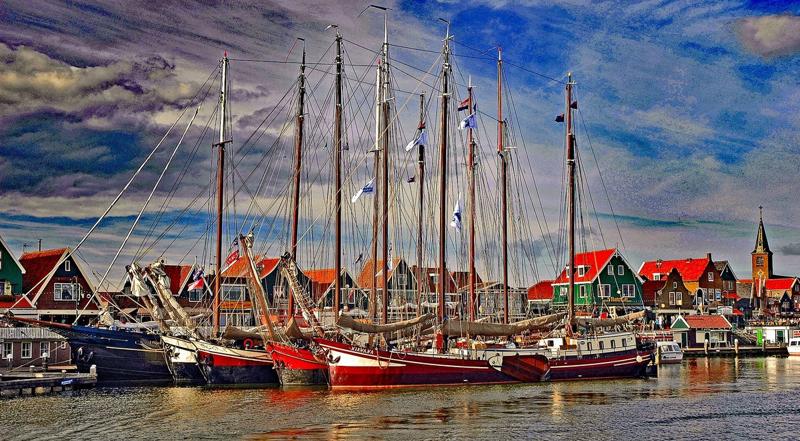
A fishing village half an hour from Amsterdam that lost its sea in 1932 and turned the loss into a living — costume, smoked eel, and a harbour that still looks the part.
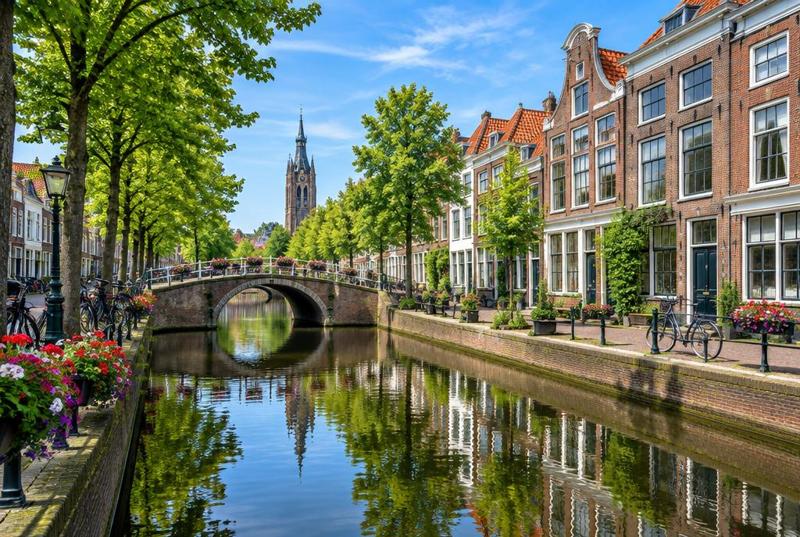
Delft is Vermeer's city, the home of Delft Blue and the burial place of the House of Orange, packed into a centre you can walk across in a quarter of an hour. It sits between The Hague and Rotterdam, about an hour from Amsterdam.
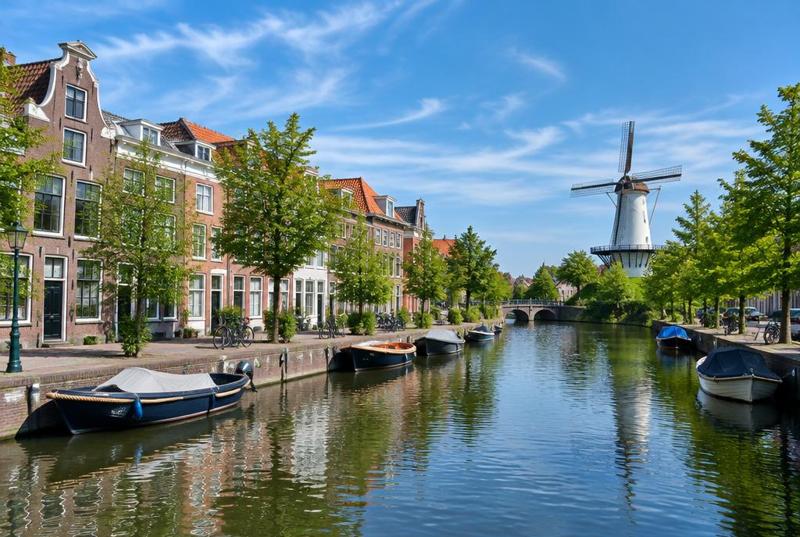
Leiden has the oldest university in the Netherlands, the oldest botanical garden and a museum of antiquities with an Egyptian temple in its entrance hall. Rembrandt was born here. It is about forty minutes from Amsterdam.
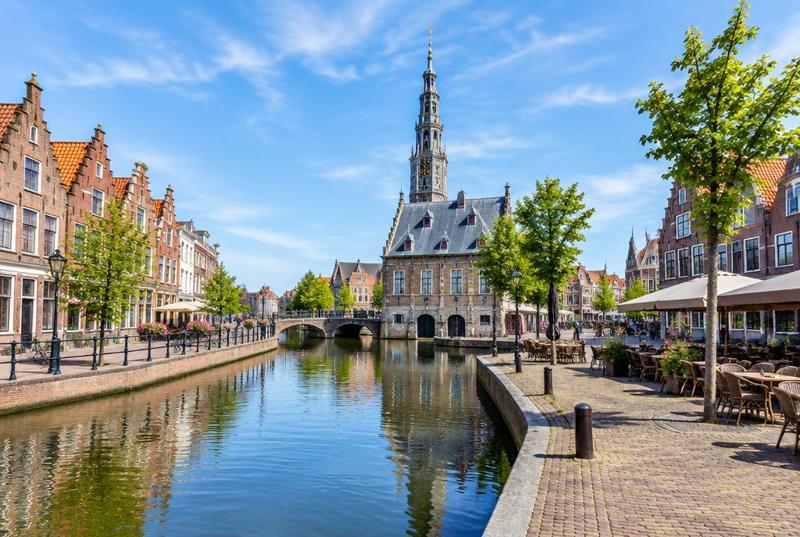
Alkmaar has weighed its cheese since 1365 and had a guild of cheese carriers since 1593, and the Friday market still runs the old way. It is forty minutes from Amsterdam, and the town round the square is worth the rest of the morning.
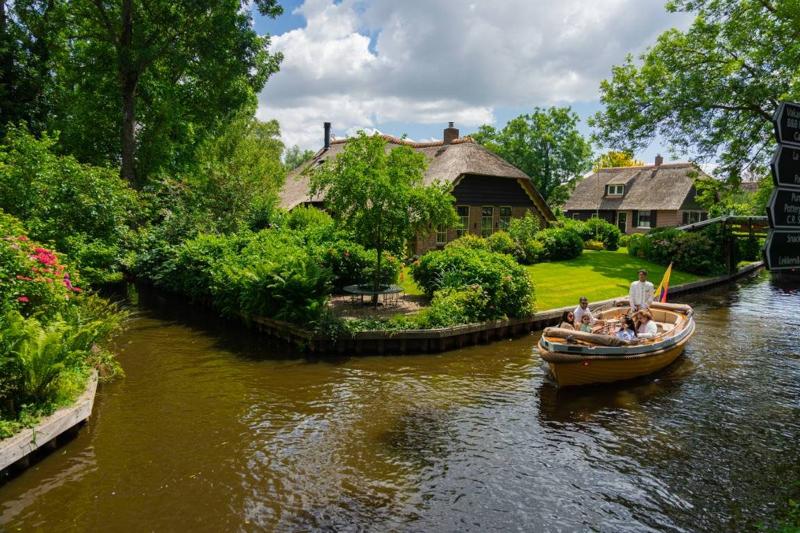
A village in Overijssel with canals instead of streets, about ninety minutes from Amsterdam. The water is not decorative — it is what is left after eight centuries of digging peat.
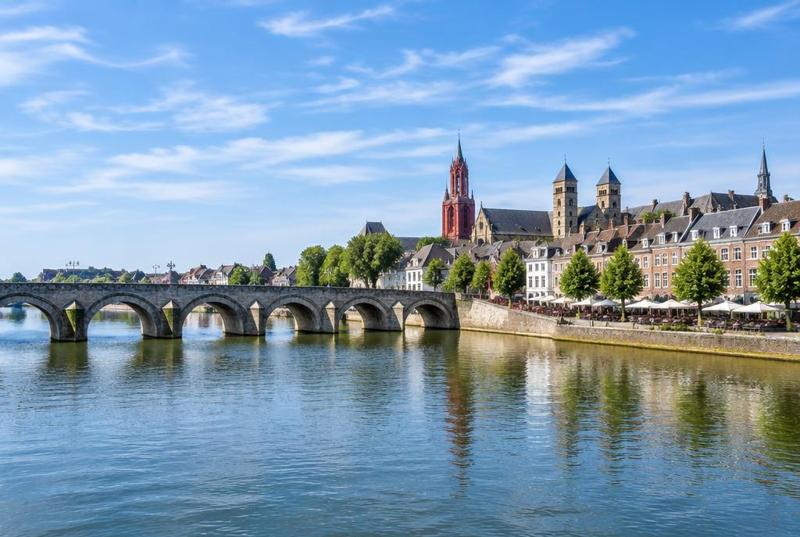
Maastricht sits in the narrow southern tail of the Netherlands, closer to Liège and Aachen than to Amsterdam, and it shows. Two great churches share one square, a Gothic church is now a bookshop, and the hill to the south is riddled with quarry tunnels.
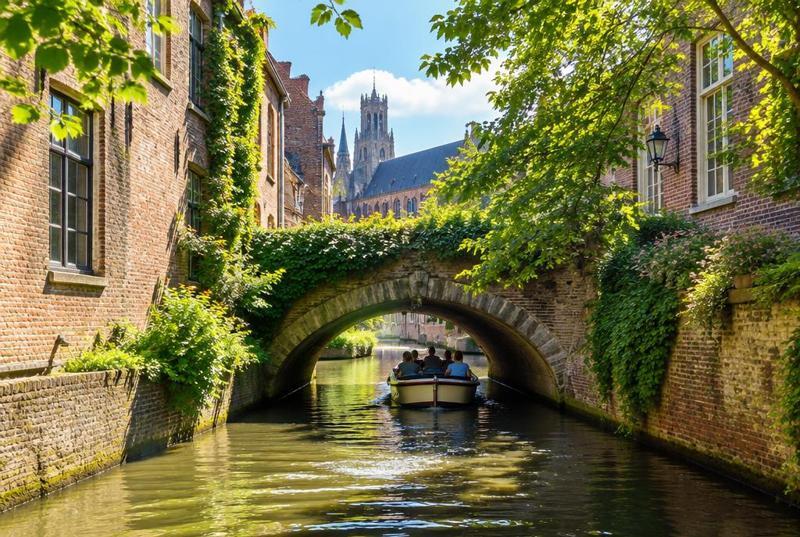
's-Hertogenbosch — Den Bosch to everyone, including the people who live there — gave Hieronymus Bosch his name. It has a cathedral crowded with carved figures, a canal system that runs under the houses, and a pastry bigger than a tennis ball.
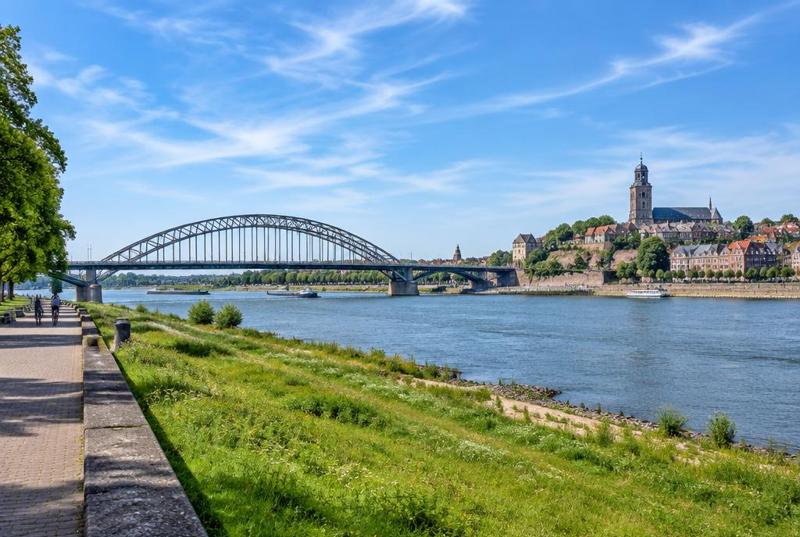
Nijmegen has a fair claim to be the oldest city in the Netherlands: the Romans were here before the birth of Christ. Bombing and battle in 1944 took much of the old centre, but the hill, the river and an eleventh-century chapel are still there.
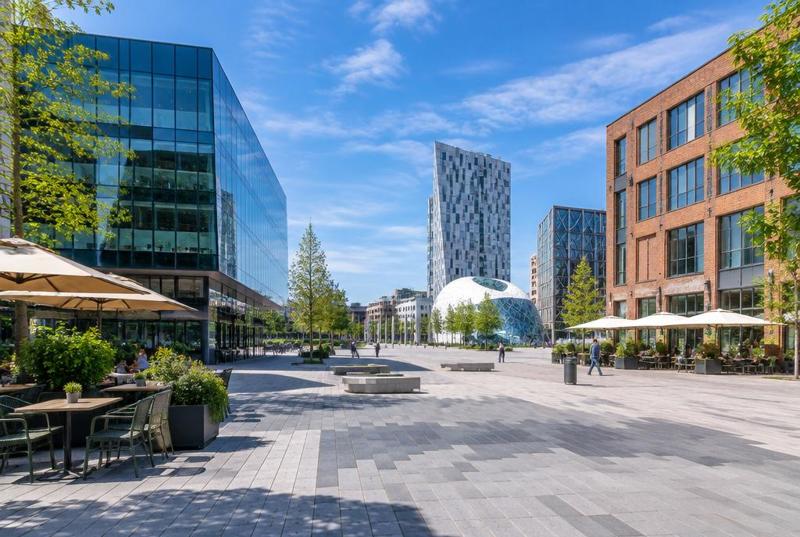
In 1815 Eindhoven had about 2,300 inhabitants; by 1935, more than 100,000, largely thanks to one light-bulb company. It is now the fifth-largest city in the Netherlands, and the one to visit for design, industrial history and modern art rather than canals.
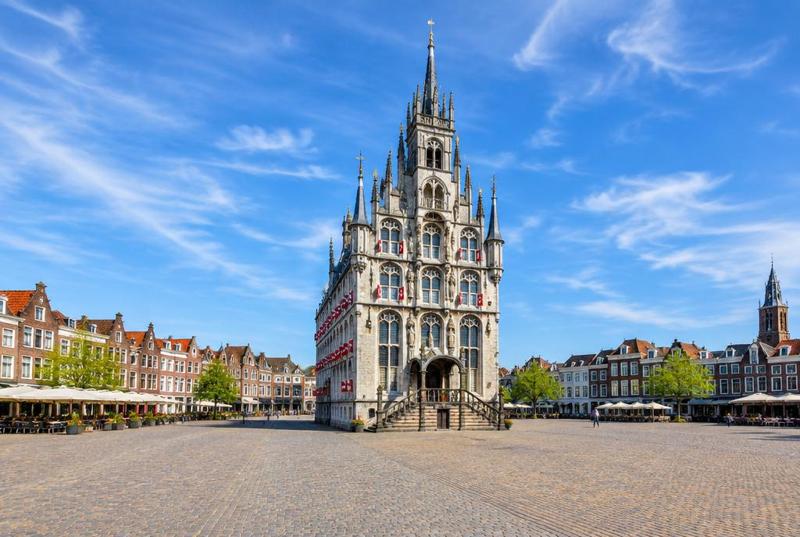
Gouda gave its name to the cheese but was where it was weighed and sold, not made. What is left of that trade is a market square with a Gothic town hall, the longest church in the Netherlands and a cheese market on summer Thursdays.
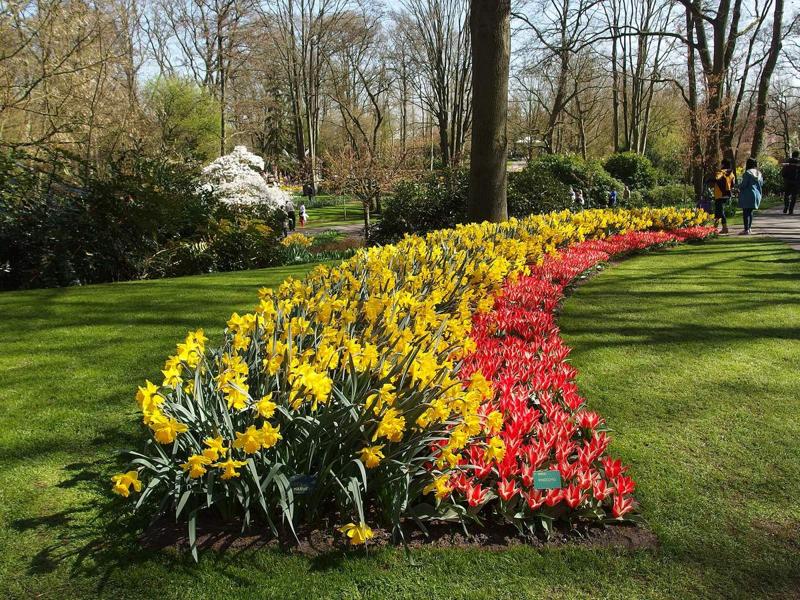
Seven million bulbs in a wood outside Lisse, open for about eight weeks a year — and the commercial flower fields all around it, which are free, enormous, and not the same thing at all.
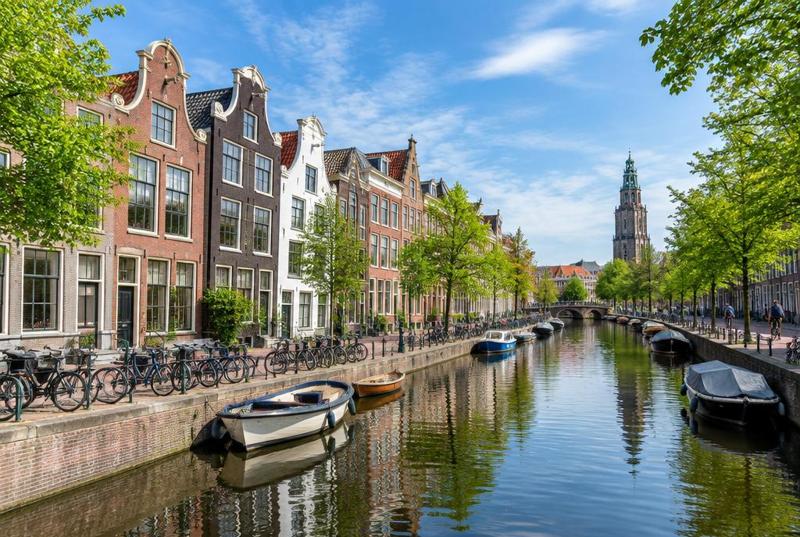
Groningen is the big city of the north — a Hanseatic port that is now about a quarter students, with a 97-metre tower you can climb, a museum that looks like four architects shared one island, and a centre planned around bikes, not cars.
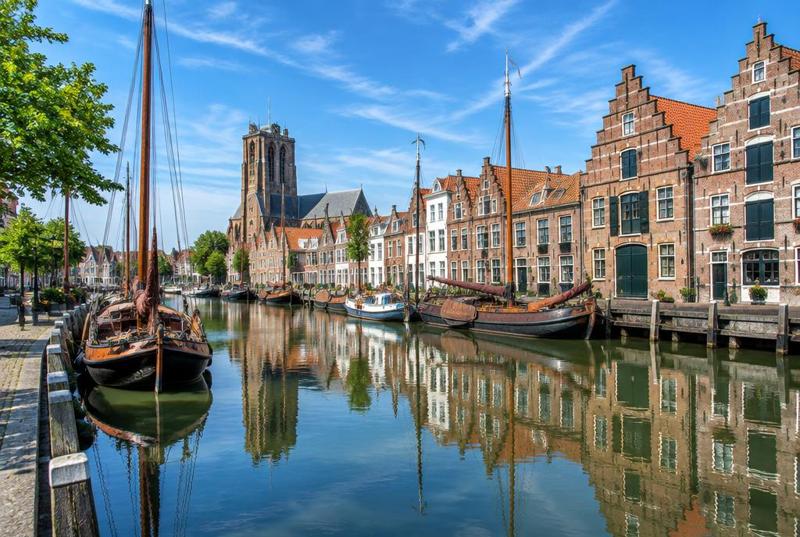
Dordrecht is the oldest city in Holland: an island town of old harbours and merchants' houses, a church tower that leans more than two metres, and a national park of tidal creeks on its doorstep.
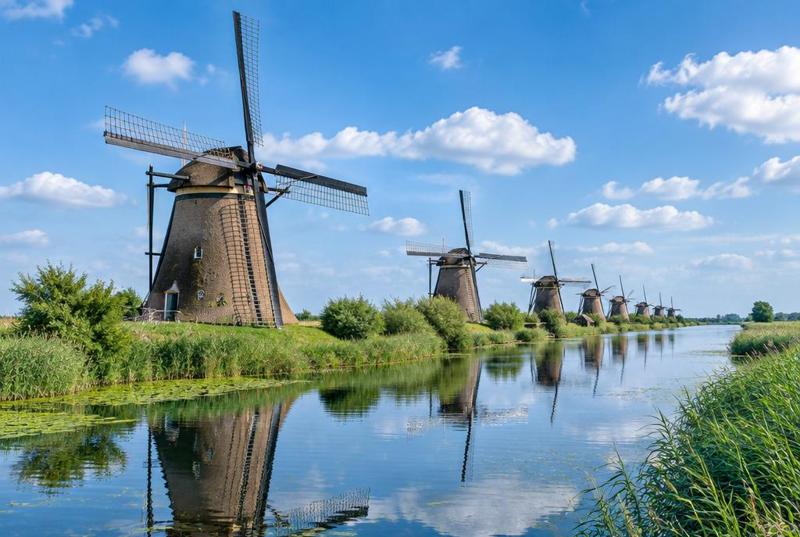
Nineteen windmills along the polder dykes an hour from Amsterdam — mostly built around 1740 to keep a low valley dry, UNESCO-listed since 1997, and still home to the millers who look after them.
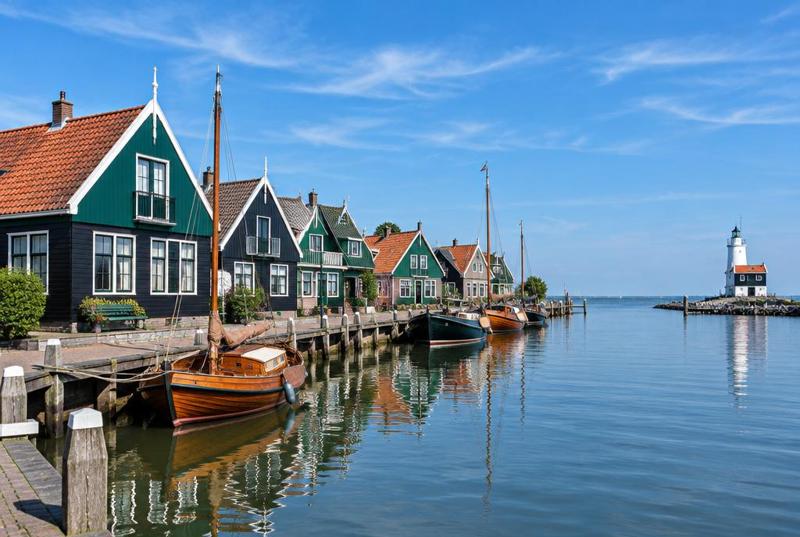
Edam gave its name to a cheese and no longer has a cheese farm; Marken was an island until 1957 and still feels like one. Two old Zuiderzee villages half an hour from Amsterdam, with Volendam in between.
Den Haag is where the government sits, where Vermeer's best-known painting hangs, and where the Netherlands keeps its beach. It is an hour from Amsterdam and it does not feel like Amsterdam at all.
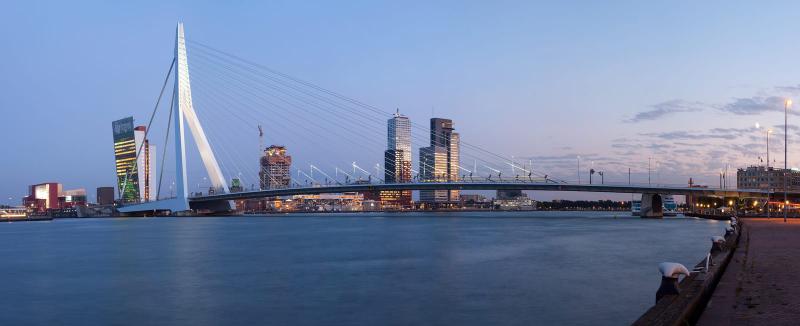
Rotterdam is the one Dutch city that does not look Dutch. The old centre was destroyed in a single afternoon in 1940, and what went up instead is the best modern architecture in the country.
Utrecht has the tallest church tower in the country, a canal built on two levels, and about a quarter of Amsterdam's crowds. It is forty-five minutes from Amsterdam and it is the easiest good day out in the Netherlands.