Photo: Laurens R. Krol (CC BY 4.0, resized)
Zaanse Schans and the Afsluitdijk — Windmills and the Great Dike
The windmills of the Zaanse Schans in the morning, then north to the Afsluitdijk — the 32-kilometre dike that turned a sea into a lake. The oldest and the newest Dutch ways of living with water, in one seven-hour day.
- 7 시간
- 3.5 시간 이동 시간
- 3.5 시간 현지 대기 시간
- 최대 8 명
- 벤츠 세단, V-Class 또는 Vito
투어 하이라이트
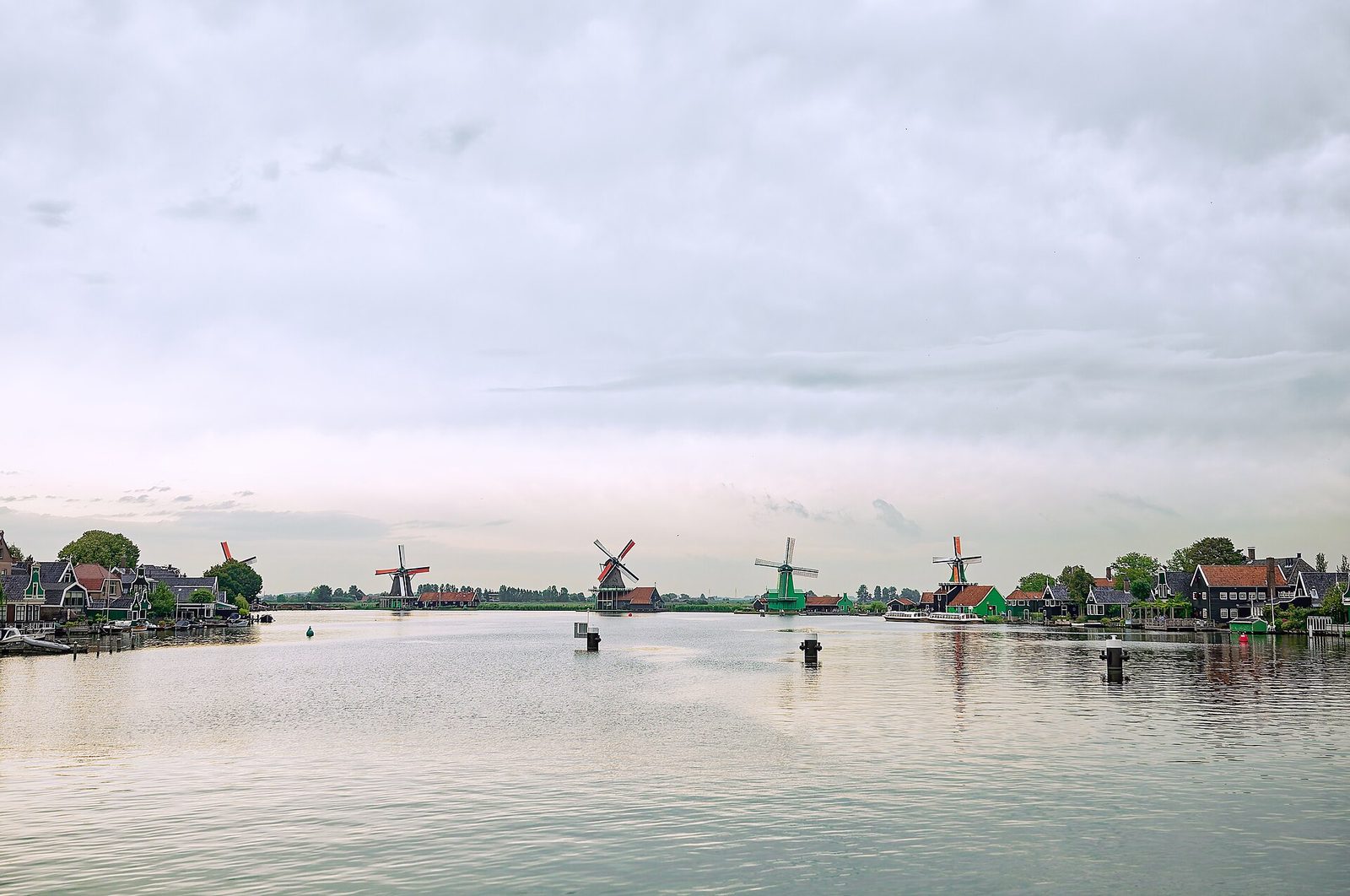
- Six working windmills on the river Zaan, seen before the coaches arrive
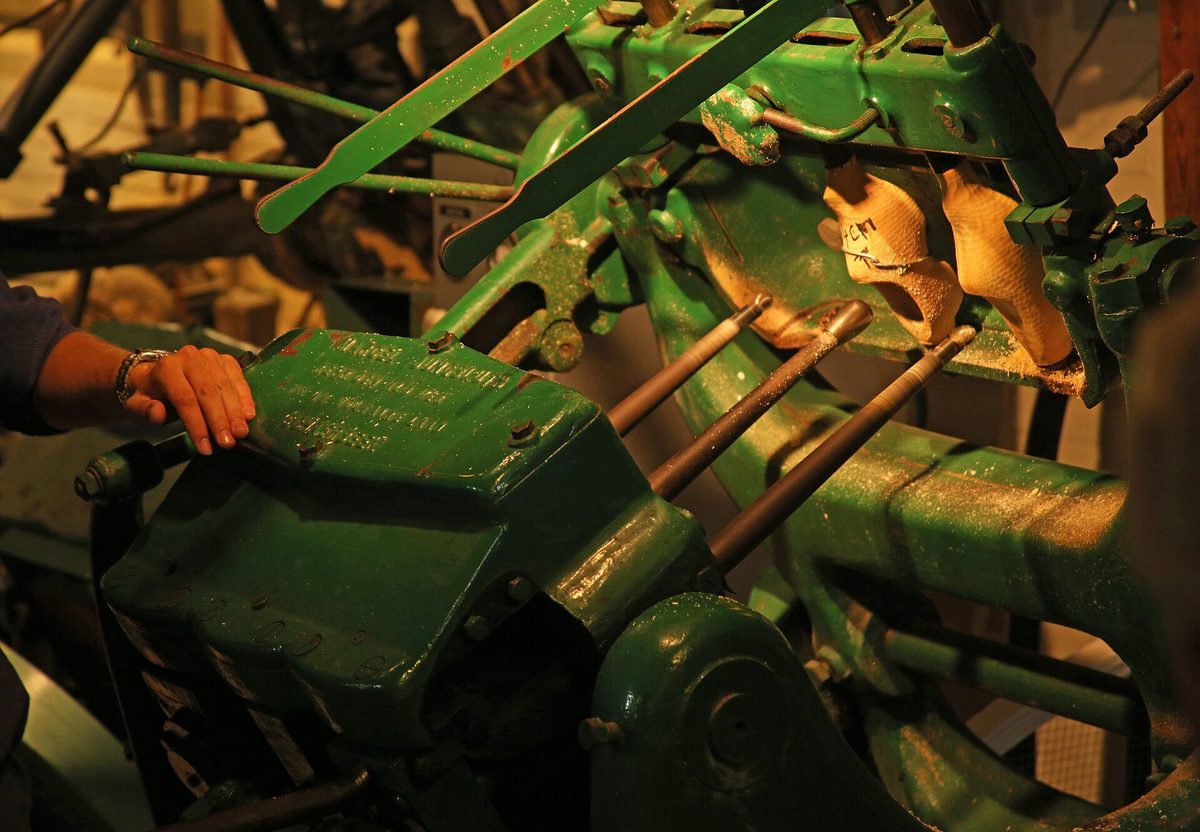
- Clog carving and a cheese farm with tasting
- The Afsluitdijk — 32 kilometres of dike, the Wadden Sea on one side and the IJsselmeer on the other
- The monument tower at the point where the last gap was closed in 1932
- One vehicle, one driver, and as long as you want at each stop
Two ways of living below sea level, one day
The Zaanse Schans is how the Dutch dealt with water for three hundred years: windmills pumping polders dry and, along the Zaan, grinding, sawing and pressing whatever the ships brought in. The Afsluitdijk is what they did once they had steam and concrete — they closed off a sea.
Seeing both in a day makes sense of the country in a way neither does alone. The mills are charming; the dike is enormous. Together they are the story.
The windmills first, while it is quiet
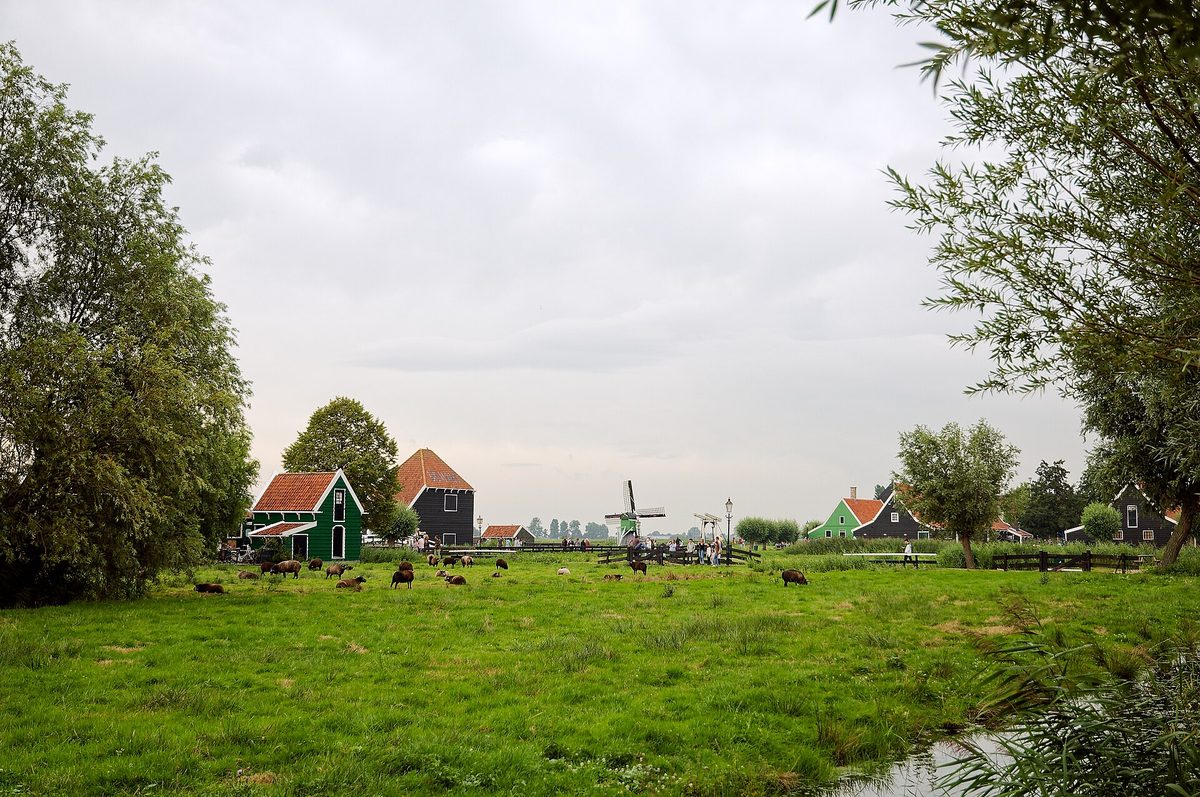
We are at the Zaanse Schans by half past nine, before the coaches. Six working windmills along the river, a carver turning a block of poplar into a wooden shoe in five minutes, and a cheese farm that hands out samples until you give in and buy some. Two hours is right — enough to go inside a mill and watch the machinery work.
Then north, to the dike
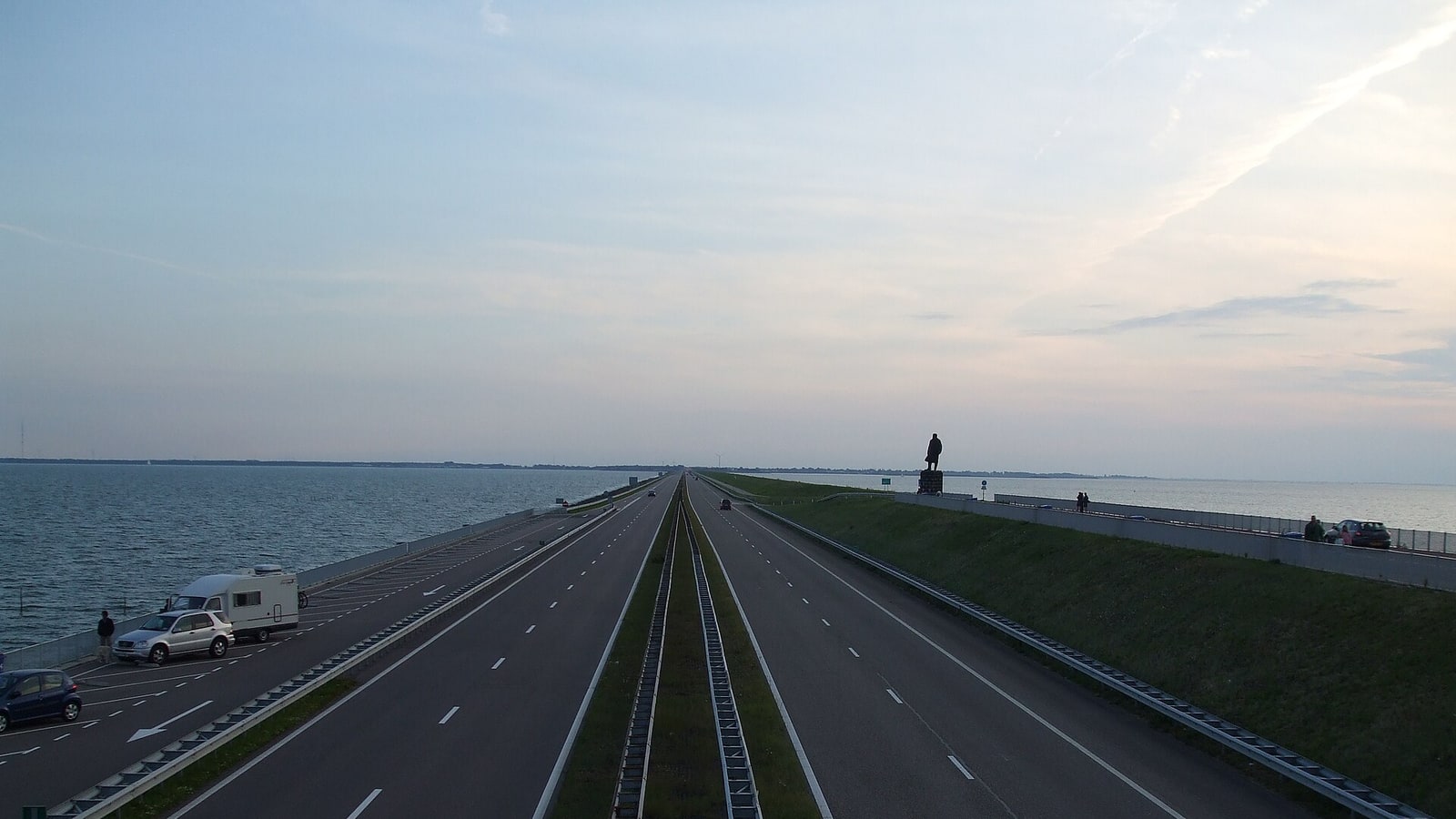
From the windmills it is an hour and a quarter up the A7, past Hoorn and out across the polders. Then the land simply stops and the road carries on: thirty-two kilometres of dike, the Wadden Sea on your left and the IJsselmeer on your right.
We stop at the monument, at the point where the last gap was closed on 28 May 1932. There is a tower to climb and a place to eat. From the top you can see both bodies of water at once — one salt, one fresh, kept apart by what you are standing on — and that view is the reason we drive this far.
Who this day is for
Anyone who liked the windmills and wants to understand what came after. Anyone interested in engineering, big landscapes, or how a country that is largely below sea level stays dry. It is a quieter day than Volendam and Marken, with more driving and fewer crowds.
Bring a jacket. It is always windy on the dike.
어디에 있나요?
사진

하루 일정
- 09:00
Pick-up in Amsterdam
From your door, early enough to reach the windmills before the coaches.
- 09:30
Zaanse Schans
The windmill row along the water, the clog workshop and the cheese farm. About two hours, which is enough to go inside a mill properly.
- 11:45
North on the A7
Past Purmerend and Hoorn and out across the polder farmland — flat, green and dead straight, which is rather the point. About an hour and a quarter.
- 13:00
The Afsluitdijk
Onto the dike itself, water on both sides. We stop at the monument where the last gap was closed — climb the tower, look at the Wadden Sea on one side and the IJsselmeer on the other, and have lunch.
- 14:30
Back south
The same road home, about an hour and a half.
- 16:00
Back in Amsterdam
Dropped at your door.
포함 사항
- Private Mercedes V-Class or Vito minivan for the day
- Hotel or apartment pick-up and drop-off in Amsterdam
- English-speaking driver who stays with you
- Fuel, tolls and all parking
- Bottled water and free child seats
불포함 사항
- Windmill entrance
- Food and drinks
추가할 수 있습니다
Cross the whole dike to Friesland
The day above takes you onto the dike as far as the monument. Driving the full 32 kilometres to Kornwerderzand on the Frisian side and back adds about three quarters of an hour. Say so when you book and we will price the longer day.
Ask us for a price
Skip the cheese farm, add time on the dike
Some guests want the engineering more than the tasting. Tell your driver in the morning and the schedule is rebalanced.
Free
Schiphol drop-off at the end
Flying out in the evening? We carry your luggage and finish at the terminal instead of the city.
Free
자주 묻는 질문
What is the Afsluitdijk, exactly?
A 32-kilometre dike built between 1927 and 1932 across the mouth of the Zuiderzee, a bay of the North Sea. Closing it turned the salt bay into the IJsselmeer, a freshwater lake, and made the land reclamation behind it possible. It was the idea of the engineer Cornelis Lely, and the monument on the dike marks the spot where the final gap was closed.
Is it just a very long road?
From the car, honestly, yes — a straight road with water on both sides for half an hour. The reason to go is the stop: the view from the monument tower, with a sea on one side and a lake on the other, and the sheer scale of what was built by hand and steam crane. If engineering and big landscapes are not your thing, the windmills-and-villages day is the better choice.
Can we combine the dike with Volendam or Marken?
It is possible, but it makes a long day with a lot of driving. Tell us what you would like to see and we will say honestly whether it fits.
Are there works on the dike?
The Afsluitdijk has been under a multi-year reinforcement programme, and some paths and viewpoints have been closed at times. We check what is open in the week you travel and plan the stop around it.
What should we bring?
A jacket, even in summer. The dike is exposed and it is always windy on top of the monument tower.
다른 일일 투어
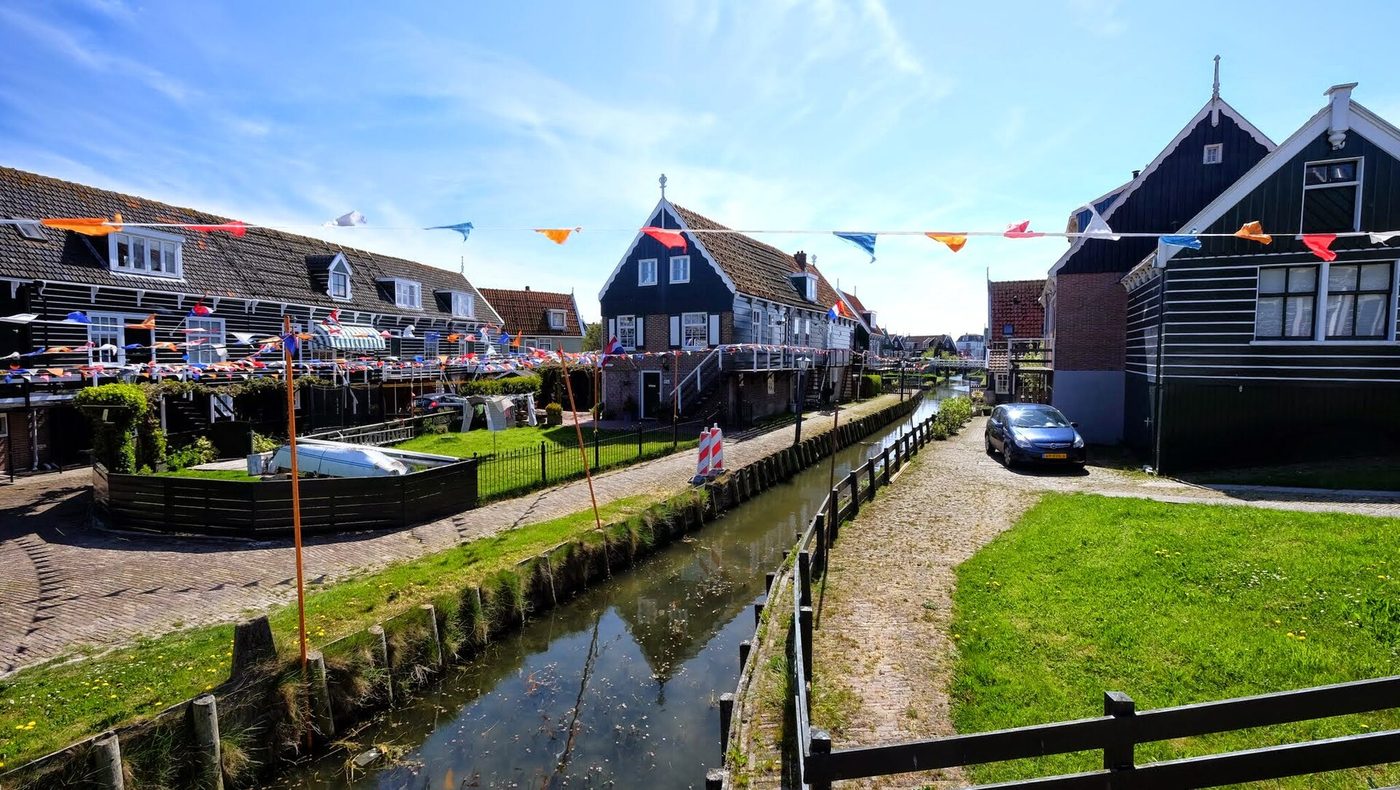
Windmills & villages — three stops
Our most booked full day. Working windmills in the morning, herring on the harbour at lunch, and the old island village of Marken in the afternoon — three of the country's best-known places in one unhurried trip.
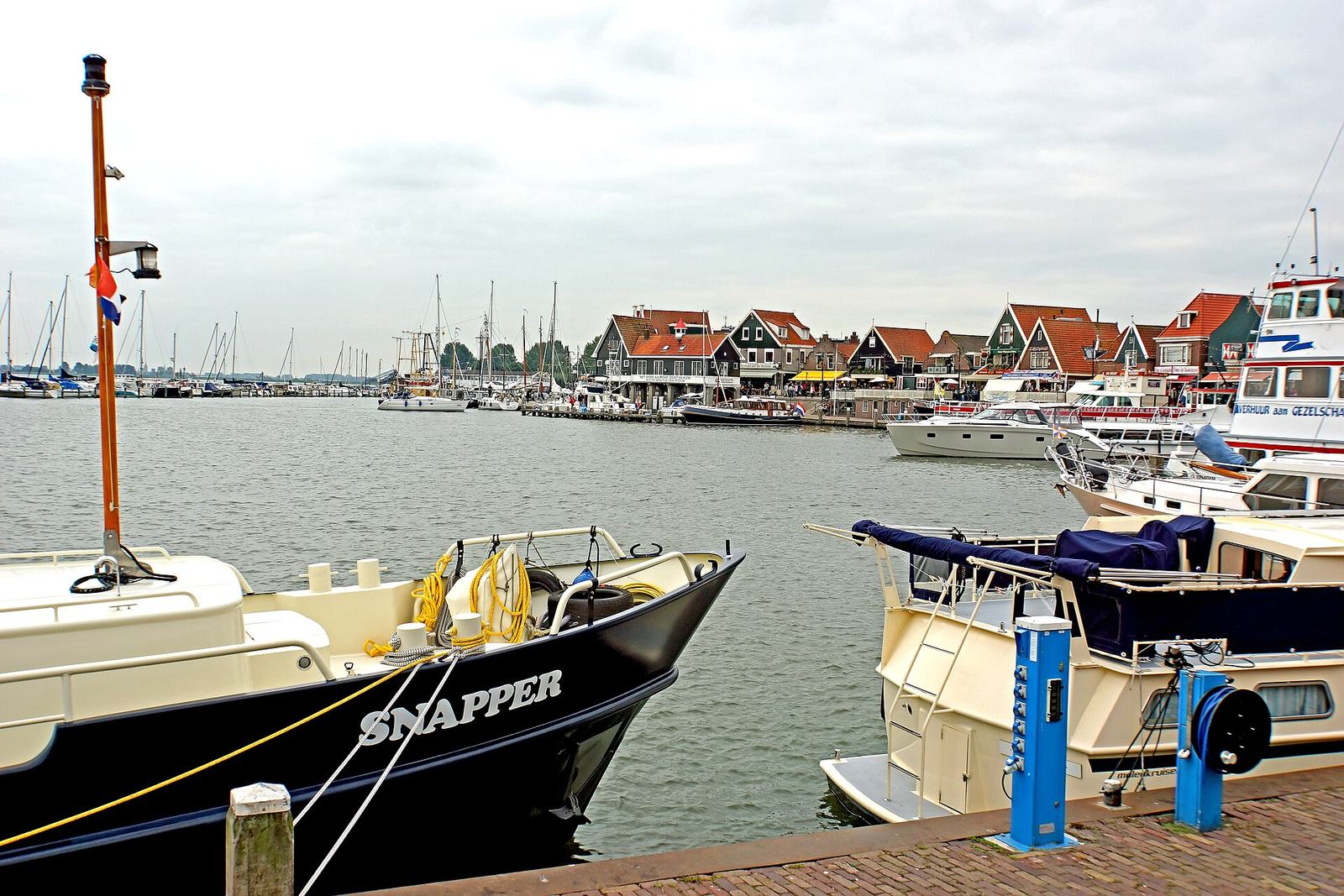
Volendam & Monnickendam
Two old fishing harbours on the water, half an hour from Amsterdam. Fresh herring on the quay, painted wooden houses, and the quieter town most visitors drive straight past.
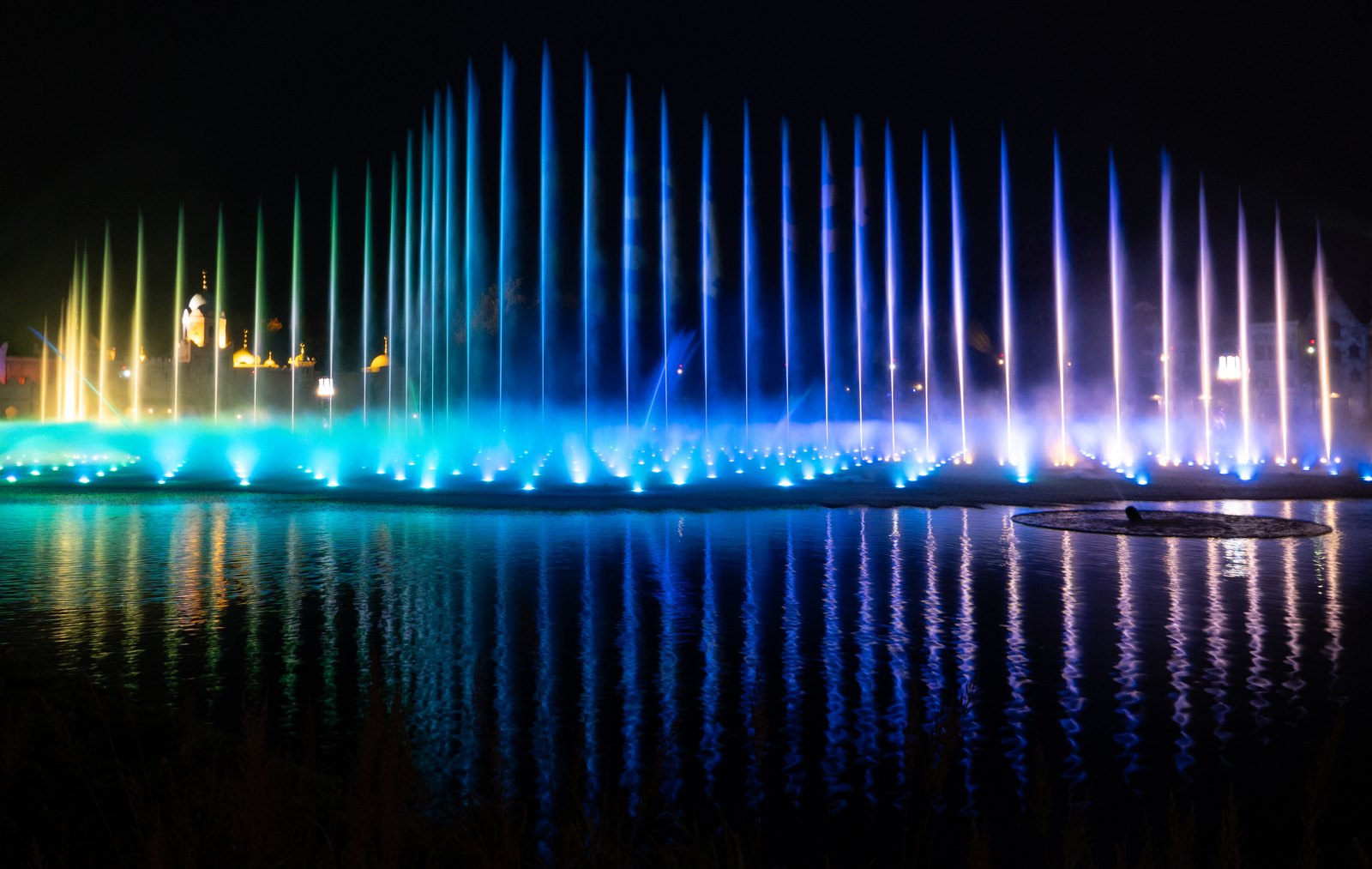
Efteling
The Netherlands' own theme park, older than Disneyland and stranger in the best way. Fairy tales in a real wood, serious roller coasters, and a driver who takes you door to door instead of two trains and a bus.